

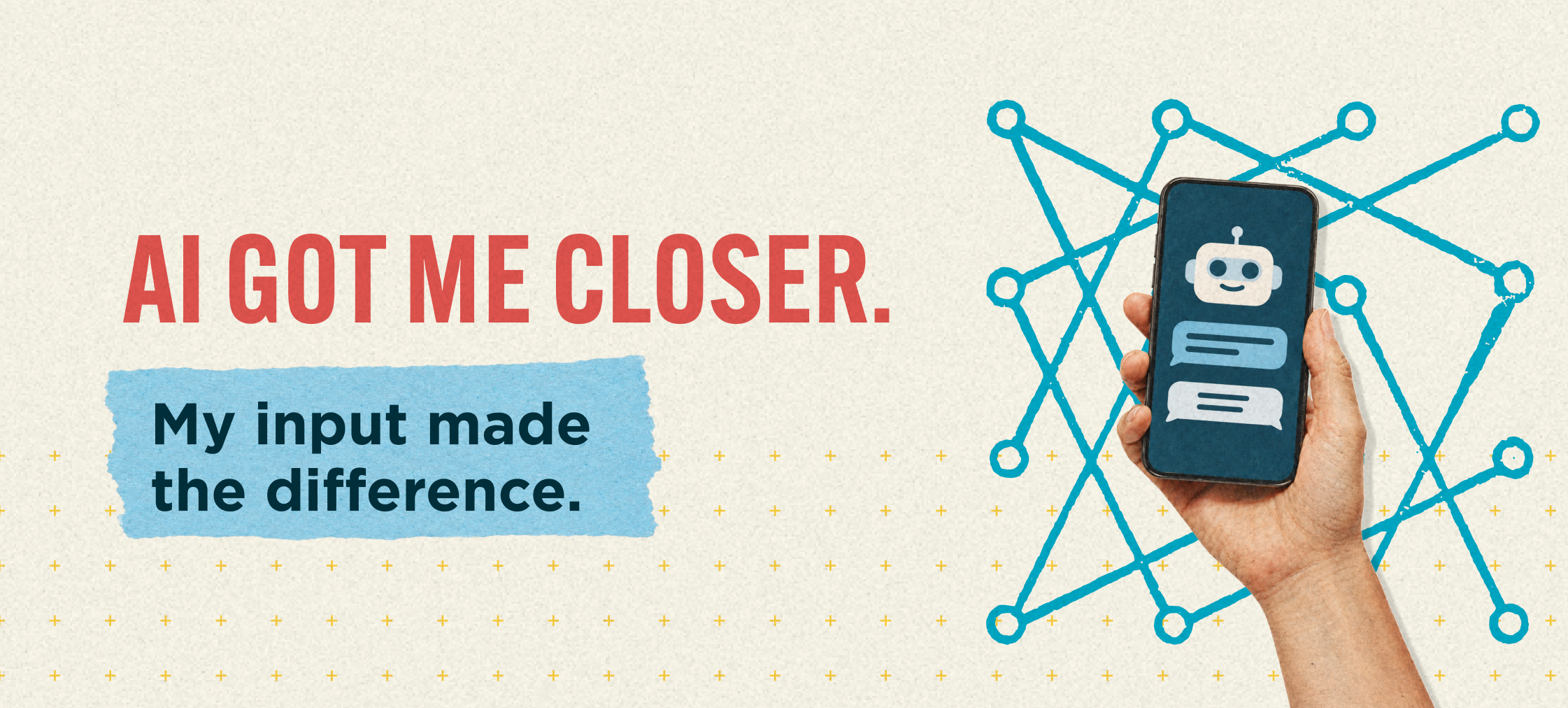
Throughout my home-furnishing journey, AI became a useful resource. I used it to visualize rooms, explore furniture options, evaluate layouts and help make purchasing decisions. But my experience didn't end when the furniture arrived.
I started showing AI how its earlier recommendations had turned out. I asked what was missing, what could be improved and whether I should rearrange furniture or reconsider the placement of wall art and pictures. In a couple of instances, it revised its earlier recommendations and suggested alternatives.
That reinforced something I've found in both my personal and professional use of AI. It can get me closer to what I want, faster. But it rarely gets me all the way there without my involvement.
The first few outputs can miss something about my preferences, style or intent. Continued input, correction and refinement help make the results something I can use with confidence.
Would I trust AI to research and recommend a significant purchase? Absolutely. Would I trust it to make that purchase without my approval? Not yet.
For brands, that distinction matters. The opportunity isn't simply to automate more decisions. It's to create experiences that respond to consumer feedback and give people greater confidence in the outcome.
The customer's involvement is not something to design away. It can be part of what makes the experience worth trusting.
Make the information exchange understandable
There's another side of this evolution. More useful guidance can depend on a more complete understanding of the person receiving it. That raises questions about the information people share and what they understand about its use.
I recently started using Fetch, an app that lets people submit shopping receipts and earn points toward gift cards and other rewards. The immediate exchange is straightforward: I share purchase information and receive a benefit.
But consider what a collection of receipts could reveal over time. Where I shop. What I buy. Which brands I return to. How often I purchase and how my spending changes.
In a connected-commerce model, combining permitted signals from different sources could help reveal larger needs and life moments. Those patterns would still need interpretation. A purchase can suggest something about a person without explaining the whole story.
As a marketer, I see value in that possibility. As a consumer, I recognize the responsibility that comes with it. I want relevant experiences. I also want confidence in how my information is collected, connected and used.
Someone may be comfortable sharing information for a specific benefit without anticipating every additional conclusion that could be drawn from it. That is a reason to make transparency, permission and responsible data governance part of the experience, not a separate consideration after the technology is in place.
The more a brand understands, the more carefully it needs to consider how that understanding shows up.
Trust needs to be visible in the experience
In my last article, I described how the best version of my home-furnishing experience would have involved more useful guidance, not simply more advertising.
Consider what that guidance could look like. Imagine a shopping assistant that understands your preferences, considers your budget and recommends products across retailers.
The value would not stop at the recommendation. The assistant could explain why an option fits, let you correct an assumption and make clear when it needs your authorization to act.
That is the difference between an experience that helps you make a decision and one that leaves you wondering how the decision was made.
The same thinking applies to brands participating in experiences they do not entirely control. A recommendation or purchase journey may involve platforms and partners beyond the brand's own channels. The customer still needs clarity about what is happening and what choices remain theirs.
I've seen professionally how useful AI can be in connecting signals and identifying opportunities for engagement. I've also seen how important human judgment remains in making those insights relevant to the right strategy, context and consumer need.
Recognizing a pattern is only the beginning. Understanding what it means, and deciding how to respond helpfully, is the work that follows.
For brands, that means looking beyond targeting, personalization and conversion. It means asking whether the experience delivers a clear benefit, respects the person's preferences and gives them a meaningful role in what happens next.
Bringing the series back to the consumer
When I started this series, I was focused on connecting fragmented commerce signals to better understand what consumers might need next.
That opportunity remains. Cross-merchant intelligence can help reveal a broader need. Orchestration can turn insight into useful action. The emerging Commerce OS describes how those experiences could connect across merchants, platforms and channels.
Trust belongs throughout that system. In the information exchange. In the recommendation. In the opportunity to correct an assumption. In the decision to authorize a purchase.
At Bernstein-Rein, we've long believed that understanding consumers is fundamental to building stronger brands. AI does not change that starting point. It makes it even more important to distinguish what the technology can infer from what the person actually needs.
The opportunity is to offer better guidance, greater confidence and more control, creating a stronger foundation for the relationship along the way.
The future of commerce won't simply be defined by how much brands know about consumers. It will be defined by how much trust they earn in return.