Delivery apps can bring your food home. They can't deliver presence. Here's why experiential moments aren't seasonal, they're strategy.
At Bernstein-Rein, we believe retail intelligence comes from consumer insights, a true brand purpose, and half a century of unrivaled experience. We put these beliefs together to accelerate growth. This approach is called Retailigent™ – it's what drives our work every day.

Last Sunday, the Kansas City Chiefs lost. Not just any loss…the kind that effectively ends your playoff hopes and sends a beloved quarterback to the injured list for the rest of the season. RIP 2026 Chiefs. A deflating day for any fan. The kind of afternoon you expect to sulk through, doom-scrolling on your couch.
But that's not what happened.
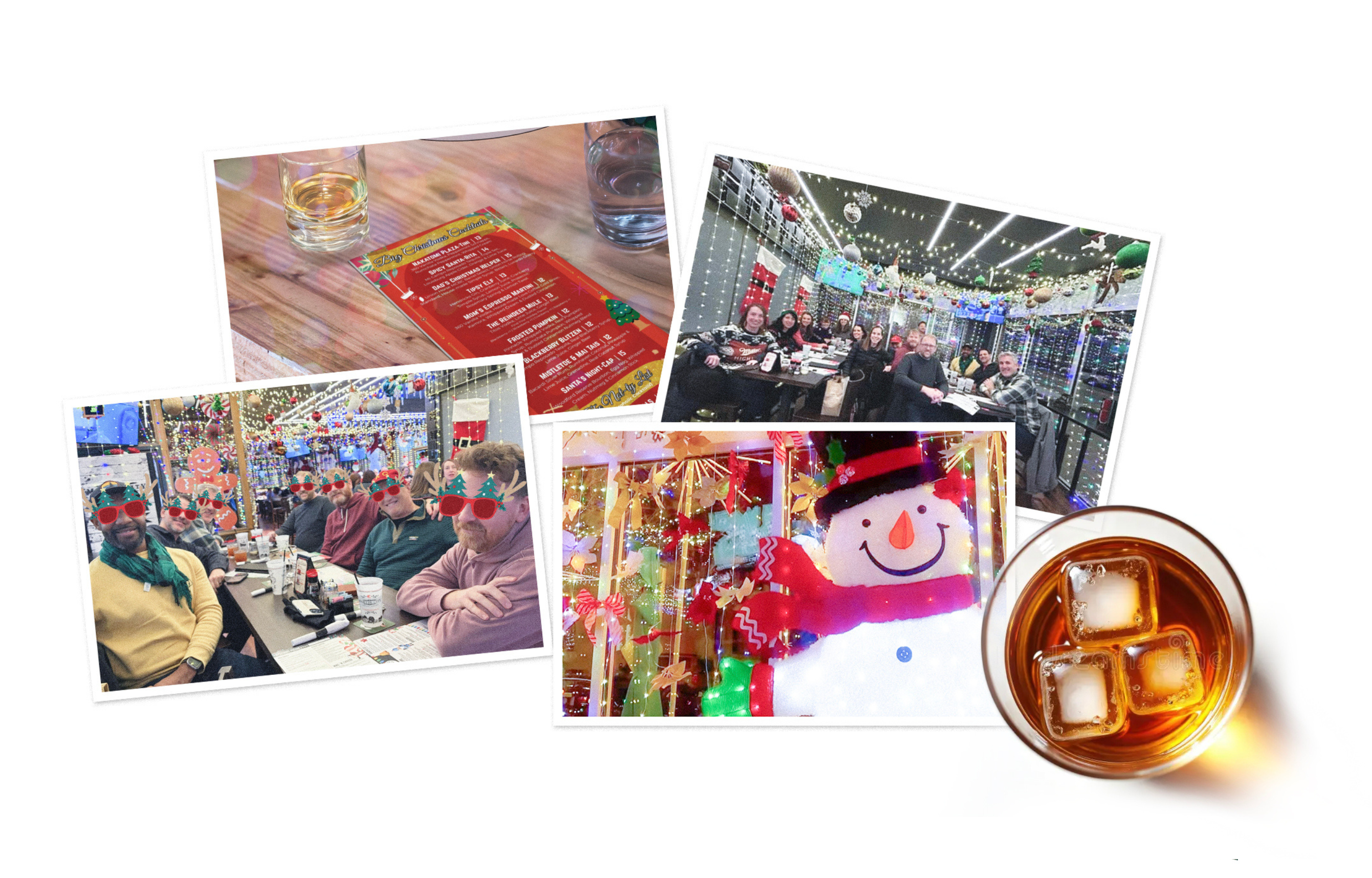
I was at Martin City Brewing Company in Kansas City's South Plaza district with a group of seven spouses out for a rare night without kids, hungry for more than good food. We wanted an experience. The space was transformed for the holidays: lights draped across every surface, decorations layered deep, a custom seasonal drink menu that felt like an event in itself (particularly after the news dropped about the season ending injury hitting while we were ordering our first round).
Despite what should have been a collective moment of sports-induced grief, something remarkable happened. The environment changed the emotional temperature of our evening. Disappointment gave way to warmth. The outside world faded into the background. We stayed longer than planned. We ordered more than we intended. We left happier than when we arrived.
That's the power of a thoughtfully designed experience. And it's exactly what delivery apps cannot replicate, no matter how fast the driver or how warm the insulated bag.
Delivery platforms have fundamentally altered the relationship between restaurants and their customers. According to McKinsey, food delivery's share of global food service spending rose from 9% in 2019 to 21% in 2024. That's not a trend; that's a structural shift.
DoorDash, Uber Eats, Grubhub have all made dining frictionless. But in doing so, they've commoditized food, captured customer data, and inserted themselves between brands and their guests. Restaurant operators are paying 15-30% commission fees to rent access to their own customers.
The result? The National Restaurant Association reported customer traffic declines for nine consecutive months in 2025. People are still eating but they're skipping the shared table, the ambient energy of a full room, the experience of being somewhere. Convenient, yes. But emotionally hollow.
The data on this is striking and sobering. According to the 2025 World Happiness Report, 25% of young adults now eat all their meals alone, up 53% since 2003. The report's findings reveal that people who share meals with others are happier, more satisfied with life, more trusting, and more engaged in their communities. Those who eat alone face elevated risks of loneliness, depression, and diminished social connection. We have a real problem growing in everyone’s community and it’s also not OK.
This isn't just a societal trend to observe passively. It's a strategic opportunity. Are we, as an industry, contributing to this isolation by making it so easy to stay home? Or can we offer something compelling enough to bring people back together?
I believe we can. But only if we stop thinking about delivery as the future and start reclaiming the thing delivery can never offer: presence.
Let me be direct: takeout and delivery are non-negotiable operational requirements. They're table stakes. Every restaurant needs them. But they are not differentiators. You cannot build loyalty, emotional connection, or repeat in-person visits on the back of a brown paper bag handed through a car window or left on a doorstep.
The research decisively depicts this. I serendipitously came across a report from CapGemini that found that 70% of emotionally engaged consumers spend up to two times more on brands they're loyal to, compared to just 49% of consumers with low emotional engagement. I have heard this before, but those stats suggest emotional engagement can drive an uplift in annual revenue. But emotional engagement requires something delivery cannot provide…it requires being there. It requires sensory immersion. Ambient energy. Human connection.
If brands want loyalty, emotional connection, and repeat visits, they must offer something that doesn't fit in a delivery bag.
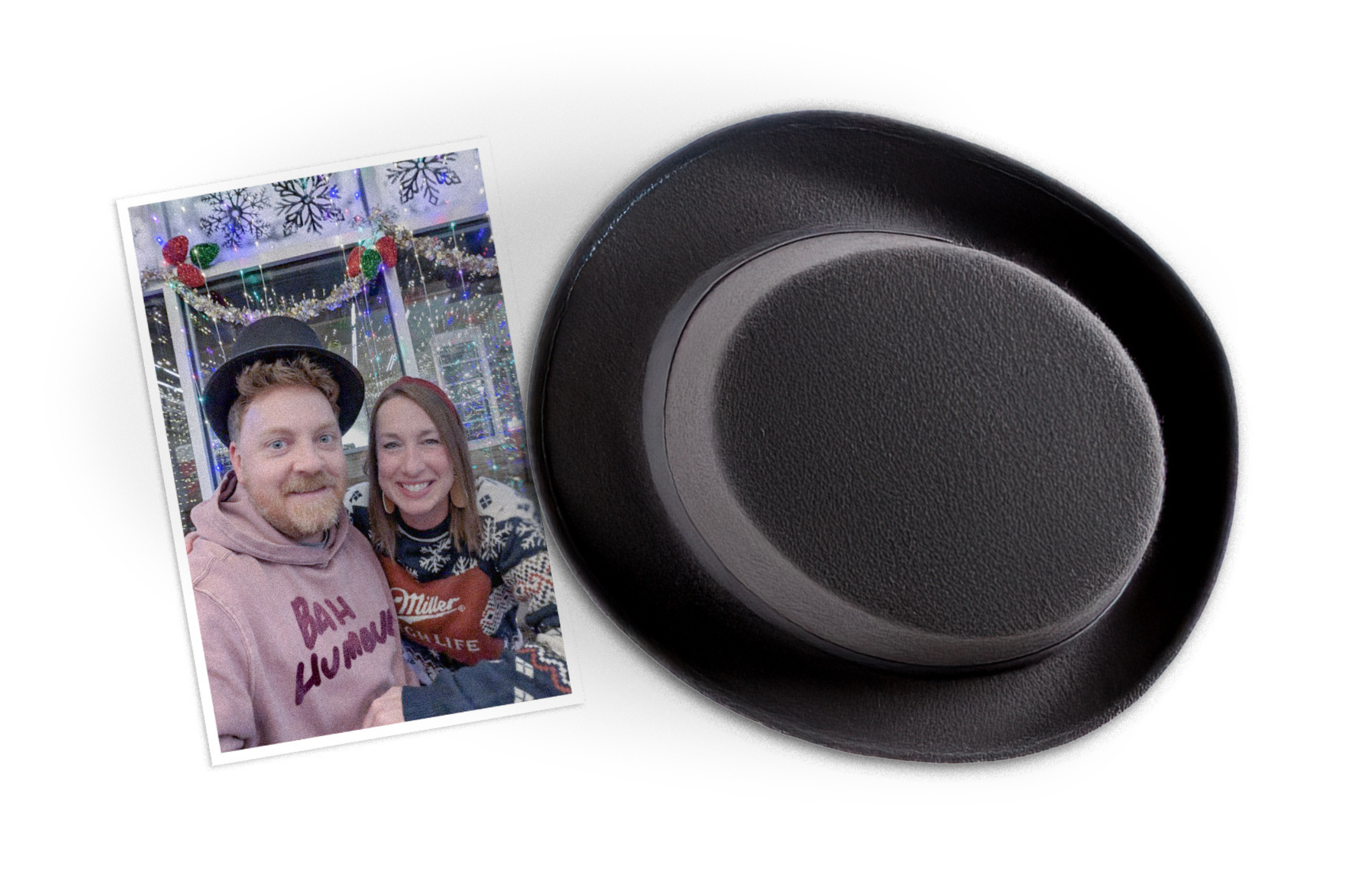
At Martin City Brewing that night, we weren't just eating...we were participating in something larger than our table. The decorations, the seasonal menu, and the energy of other tables around us all contribute to creating an atmosphere no living room can match...and even got me to wear a scrooge style top hat.
You may not talk to the table next to you, but their presence still shapes the experience. We saw KSHB 41's very own Kevin Holmes enjoying a meal at the bar with a friend and that blew our minds. We fan boy-ed on him for a moment. All of this is the humanity layer missing from at-home consumption.
When brands design for experience, not just efficiency, they reclaim direct ownership of healthy communal living. No platform commission. No data intermediary. Just a person having a memorable moment in your space. GWI research shows 58% of Americans say they'd rather spend money on experiences than material goods. The question is whether brands will meet it with intention.
The holiday transformation proves that brands know how to do this when they choose to. The effort is real of course with all the planning, investment, staff training, and operational commitment. The brands that excel think through every touchpoint, not just the big, obvious ones.
That effort produces measurable results. Higher traffic, longer dwell times, increased spending. But more than metrics, it creates emotional memories that bring customers back year after year. My children aged 6 to 15 will love all the effort and joy of the season infused into the experience so of course we will go back with the full family.
The question every brand should be asking is: how do we translate this thinking beyond December?
This approach work best when brands identify longer cultural windows to capitalize on. The sweet spot are moments with enough duration to build momentum, enough shared relevance to generate organic conversation, and enough emotional resonance to justify the effort of transformation.
What if we approached the multi-weeklong shared moments like March Madness, professional sports playoffs, or your local summer festival with the same level of attention as we do with the holiday season?
The 2026 FIFA World Cup is a perfect example. It presents an unprecedented opportunity for North American brands to own this moment.
An easy example to execute, rename or create special drinks that embody the main characters. For example, back in 2022 if you made a drink with a lot of bite to it, that clearly is the "Luis Suárez." Make it an insanely spicy margarita with a finish-it-and-get-your-photo-shared-on-our-social-channel-for-the-best-kind-of-infamy type of challenge. Side note, Luis Suárez is the Uruguayan player infamous for multiple Mike Tyson like moments of biting his opponents.
Extended cultural moments are the anchors that justify major investment and transformation. But brands should show up on the smaller moments that maintain cultural relevance and create reasons to visit between larger campaigns.
Think a big back-to-school party where parents celebrate their children returning to school and no longer terrorizing the house.
These aren't replacements for big moments. They're the rhythm that keeps customers engaged and thinking about your space throughout the year by showing up in places important to them.
Our goal should be getting people off their couches, out of their homes, and back into shared physical spaces. That's a mission delivery apps, no matter how fast or convenient, will never fulfill. And the holiday season shows what's possible. The brands that win will be the ones that treat experience as a year-round strategy.
So, here's my question for every restaurant and retail brand reading this: What would it take to make your space the place people want to be? Not because they need something from you, but because being there is the point?
Delivery apps cannot deliver the feeling of a transformed space on a difficult night, surrounded by people you love, watching disappointment turn into connection. Please help make those couches feel empty and lonely for once.
It feels like this is something only you can do. And we are here to help. Because we believe it's worth fighting for.